Sequences and Stories: Telling a Day with a Few Frames
Why sequences matter
A single photograph can be powerful, but a small sequence provides context and rhythm. Sequences allow you to show change, contrast, and causality in a compact format. They are especially useful for documenting a day because they can highlight beginnings, middles, and endings without requiring long essays. The practice is about choosing moments that complement each other and arranging them so the viewer experiences a brief arc.
Basic structure
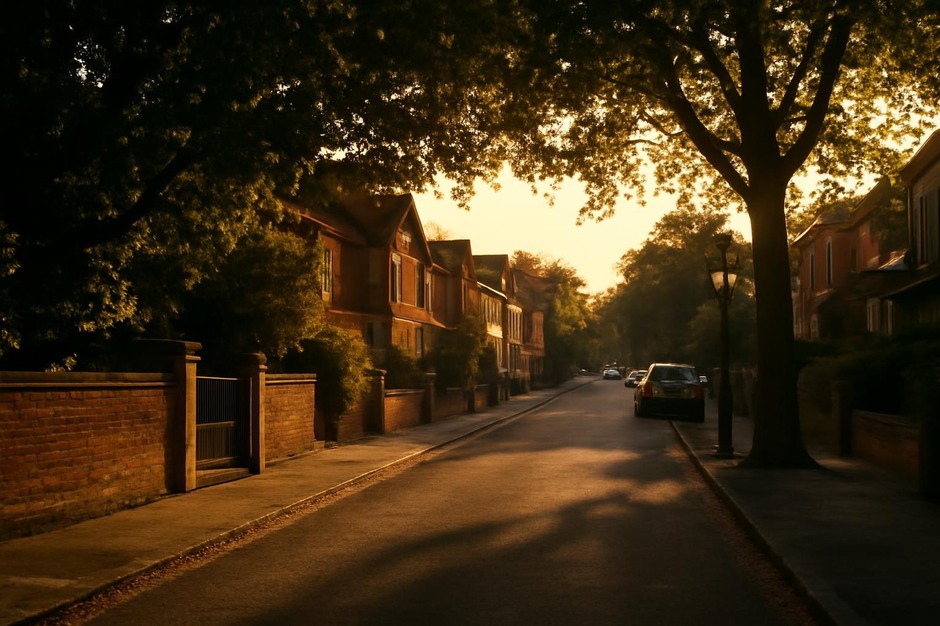
Many effective sequences use a simple three-part structure: establish, reveal, intimate. The establishing frame sets place and scale; the revealing frame shows action or relationship; the intimate frame offers a close detail that registers consequence or feeling. This structure is flexible: sequences can be longer or shorter, but the idea of varying scale and focus remains useful.
Pacing and variation
Pacing determines rhythm. Interleave wider contextual shots with closer details to maintain interest. A rapid alternation of detail shots can feel staccato, while a steady move from wide to intimate creates a slow, reflective rhythm. Think of each frame as a sentence; too many long sentences in a row make reading heavy, while varied sentence length keeps attention.
Choosing moments
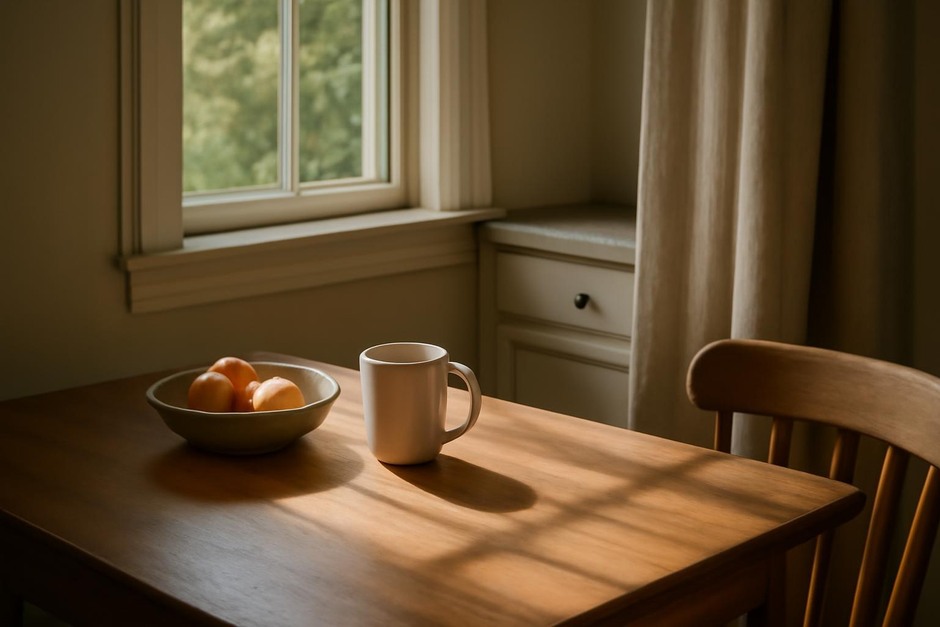
Choose moments that together suggest a small narrative. The moments do not need to be dramatic—routine actions often make the most relatable sequences. A morning sequence might include the light at the window, a hand pouring coffee, and the steam rising near a newspaper. The cohesion comes from choices: repeated motifs, consistent light, or a shared color accent.
Editing for coherence
Editing is where a sequence becomes a story. Lay out candidate frames and remove images that repeat the same visual information without adding meaning. Keep transitions that feel logical: cause to effect, arrival to departure, preparation to consumption. If a frame introduces a new element (a cat enters the kitchen, a bus arrives), ensure subsequent frames either resolve or deliberately leave that element as an open question.
Practical exercises
Use short, repeatable exercises to develop sequence-making skills.
- Morning triptych: Make three frames that together describe your morning routine. Use one wide, one mid, and one close image. Compare how small changes in order alter the perceived story.
- Object through the day: Photograph a single object—lamp, chair, bag—at three times of day. Note how light and surrounding activity change its meaning.
- Contrast pair: Create a two-frame pair where the first frame establishes expectation and the second subverts it. The contrast can be tonal, emotional, or spatial.
Final thoughts
Short sequences reward observation and restraint. They encourage you to watch for small changes and to think about how individual moments relate. Building a habit of making compact sequences trains you to see continuity and to use scale and rhythm to tell clear, quiet stories about everyday life. Over time these small sequences accumulate into a personal archive of how your attention moves through the day.