Sketching with a Camera: Using Photographs for Visual Journals
Why photograph like you sketch
Sketchbooks are quick, iterative, and forgiving. They capture ideas rather than polished outcomes. Treating a camera in the same spirit shifts the goal away from perfection and toward practice. The aim is to record observations and develop an evolving visual vocabulary: certain angles you favor, a way of framing hands, an interest in particular light. When you approach photography as sketching, you create a low-pressure environment for exploration and make steady gains in seeing.
Tools and tempo
A sketching approach benefits from a light toolkit: a small camera or a phone with manual controls, a simple notebook for captions, and a routine time for review. Keep sessions short—five to twenty minutes—so the process remains sustainable. The tempo matters: quick, repeated attempts teach you to notice what changes between frames and which small variations matter most.
Focus on detail and difference
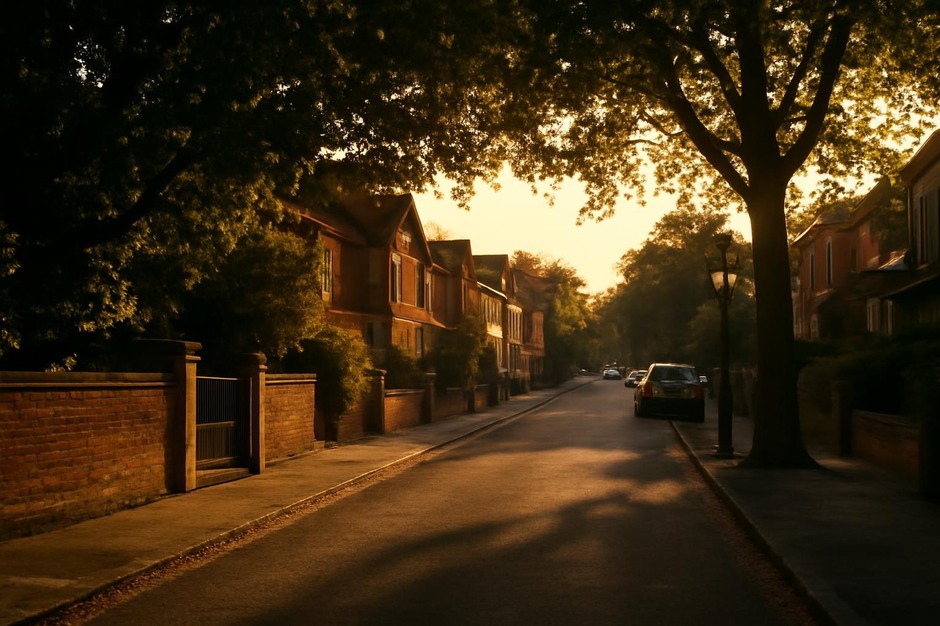
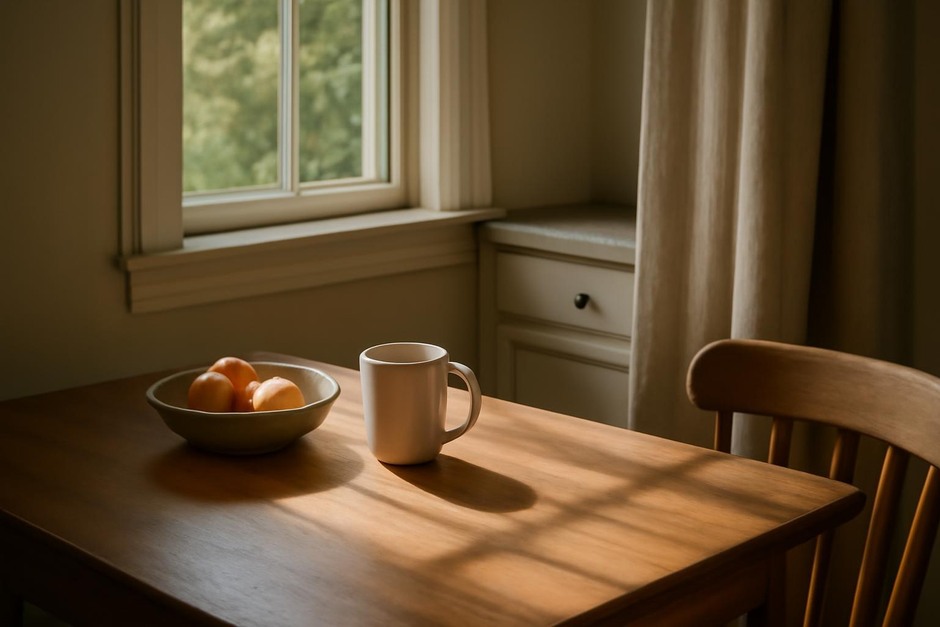
Sketching photographs privileges small details that might be overlooked in formal shoots. Capture the worn edge of a table, the pattern made by light on a wall, the arrangement of hands in a queue. Make series of small variations: move an inch left, lower the camera, crop more tightly. These variations form a visual argument; together they show what you noticed and why it mattered.
Annotating and editing
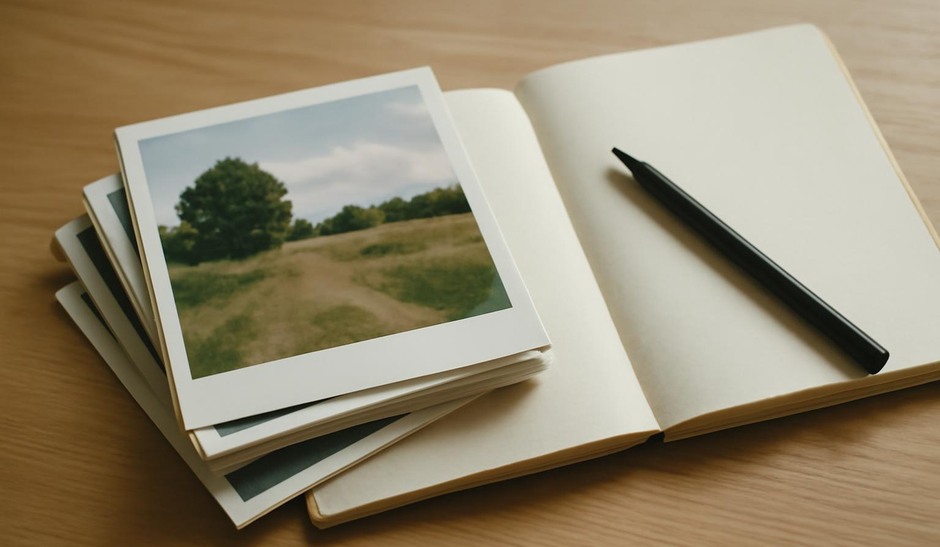
Annotation turns raw observation into learning. After a short session, pick three frames and write a single sentence for each. Note light direction, subject choice, or a compositional decision: “rim light, shallow depth, isolated hand.” Over weeks, you will gather a running index of what you respond to and how your choices evolve. Editing is also central: select a small set of images that work as a unit. A page of three frames—wide, mid, detail—can function like a sketchbook spread.
Creating sequences
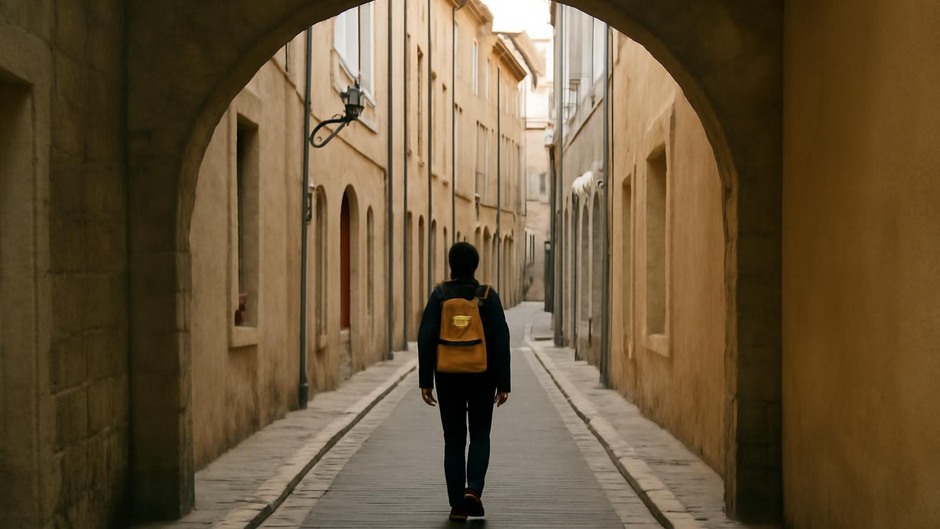
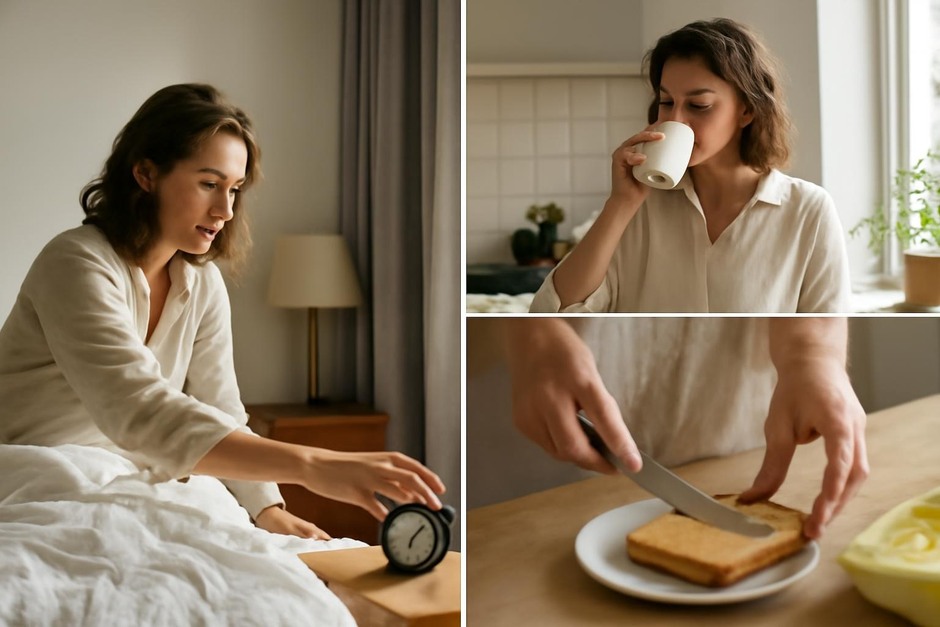
Sequences help translate small observations into narratives. Arrange a few frames that suggest a brief action: making tea, putting on a coat, closing a shop. A sequence does not need many frames; three to six thoughtful images often suffice. Vary scale and viewpoint to create rhythm: start with an establishing frame, move to a close detail, and end with a quieter image that registers aftermath.
Exercises to build the habit
- Five-minute study: Set a timer and take as many photographs of a single corner as you can in five minutes, focusing on different details each time.
- Three-frame spread: Make a three-frame page: wide, middle, close. Annotate each frame with one observation.
- Weekly review: At the end of the week, pick the most telling spread and note what links the images—light, gesture, or texture.
Using a camera as a sketchbook encourages curiosity and reduces pressure. It creates a private archive of attention that, over time, clarifies what you find visually meaningful. The practice is small, steady, and open-ended—one honest observation at a time.