Observing Light in Ordinary Rooms
Reading light in a room
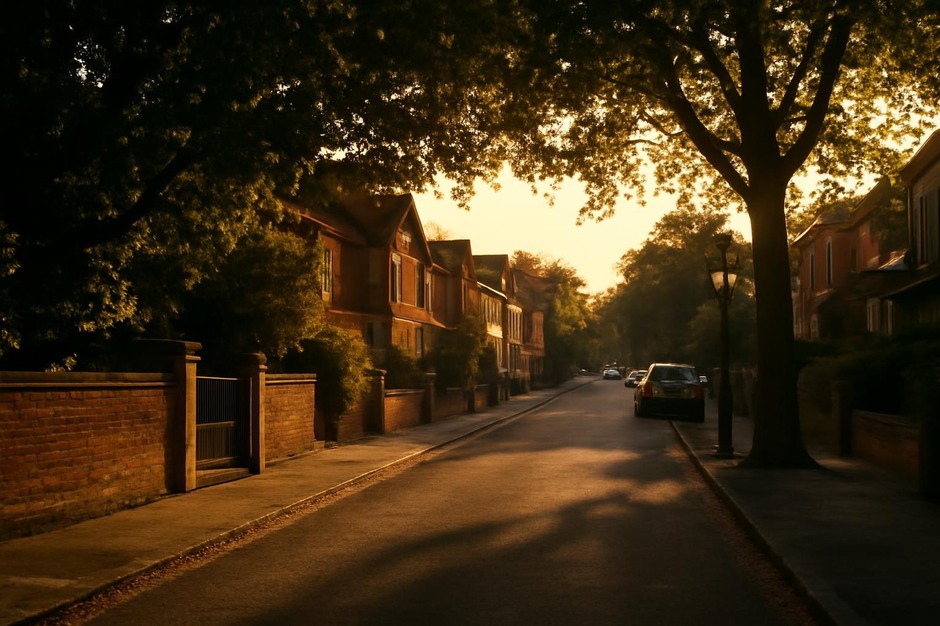
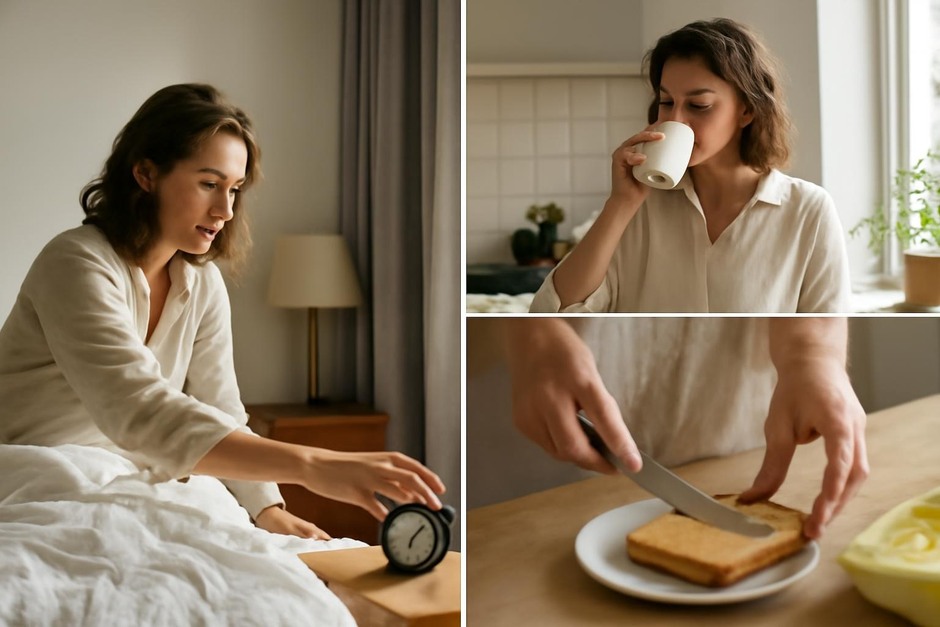
Most successful images begin with a simple observation about light: where it enters, how hard or soft it is, and what it does to surfaces. In an ordinary room these variables are easy to inspect once you start looking. The same window at two different times of day will offer strikingly different resources: late-morning light can be cool and clear, late-afternoon light warm and directional. A curtained window will produce a different quality than a bare pane. Begin by naming what you see—direction, edge, and strength—and you gain immediate control over how you respond.
Direction
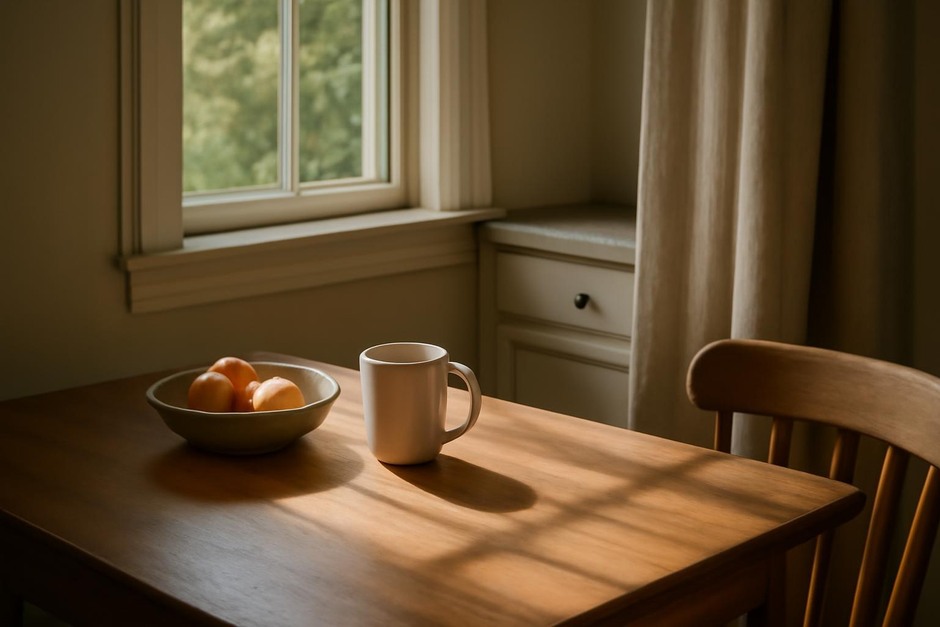
Stand in one spot and rotate slowly. Note where shadows fall and where highlights gather. Light that comes from the side reveals texture; light from behind creates silhouettes and pans of translucent gradation. Light from above flattens forms more than light from a low angle. If you want to emphasize surface detail, choose side light; if you want a clean silhouette or soft rim, try backlight through thin fabric.
Quality
Quality refers to how hard or soft the shadows are. A sunlit room with a clear window creates harder edges; an overcast sky or a window covered with a thin curtain produces diffuse, soft light. Observe the transition between light and shadow. Is it abrupt or gradual? That transition affects mood and the perceived texture of objects in the frame.
Color and reflection
Light carries color. North-facing rooms often have a cooler cast, while late-afternoon light leans warm. Reflective surfaces—polished wood, ceramic, metal—will pick up nearby colors and amplify them. Pay attention to small reflections: a toaster, a glass jar, a phone screen can introduce bright points that balance a composition or create tension.
Practical ways to use this information
Rather than waiting for an ideal moment, work with the light that is present and design small studies around it. A few focused exercises will build fluency.
- Three-window study: Choose three different windows in your home at different times of day. Photograph the same object—cup, book, or chair—near each window and compare how shadows, color, and texture change.
- Edge search: Walk the room and find the hardest cast shadow and the softest one. Make single-frame studies that isolate these edges. Observe how composition changes when you emphasize the edge.
- Reflection mapping: Lay a metallic utensil or a glass on a table and record its reflections as you rotate it under fixed light. Note how the reflected color shifts and how those shifts can be used to bring accent to a still life.
Composing from light
Let light guide your arrangements. If the window produces a strong sidelight, position a subject to pick up that edge. If the light is soft and even, use shallow depth to isolate a small detail. Keep background texture in mind; a busy pattern can compete with subtle lighting, while a plain backdrop will let nuance show through.
Finally, make short annotated studies. After a small shoot, jot one sentence: “soft north light, highlights on rim, warm reflection from wood”. Over time those notes form a practical vocabulary you can call on quickly. Observing light in ordinary rooms is a steady, low-effort way to deepen visual judgment: learn the language of light and you can choose it, again and again, to support the images you want to make.