Colour Temperature and Mood in Natural Light
What is colour temperature in practice?
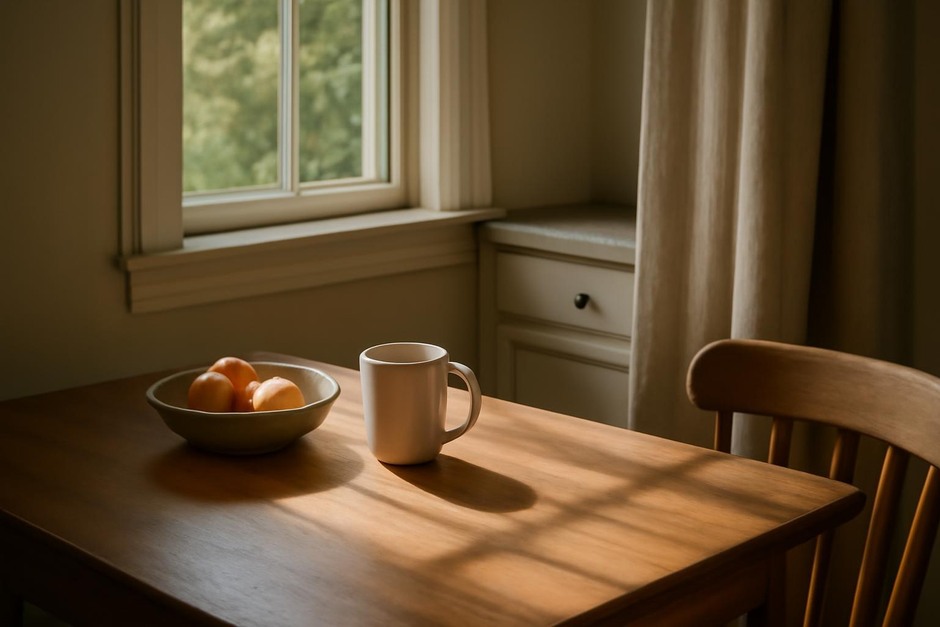
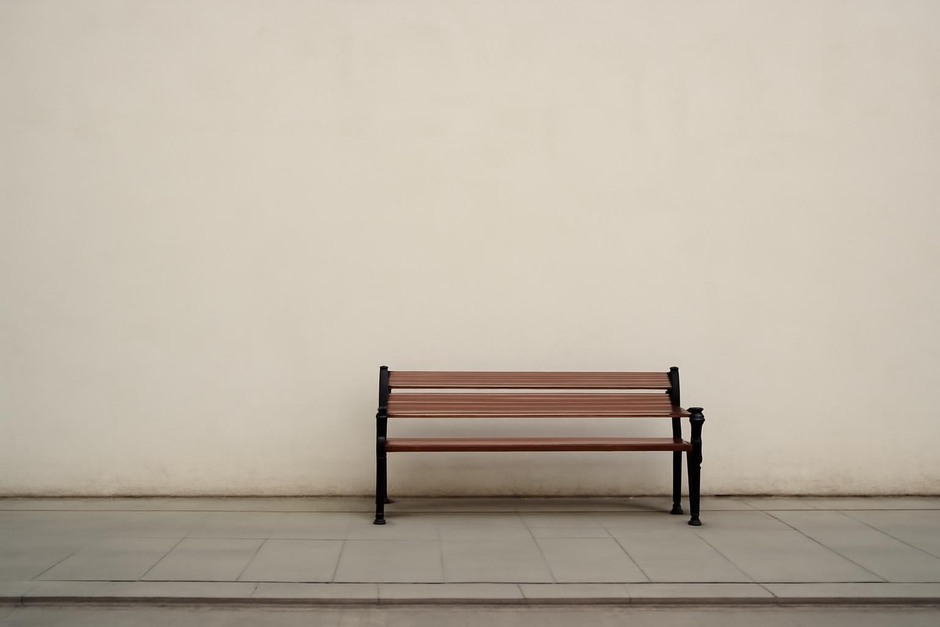
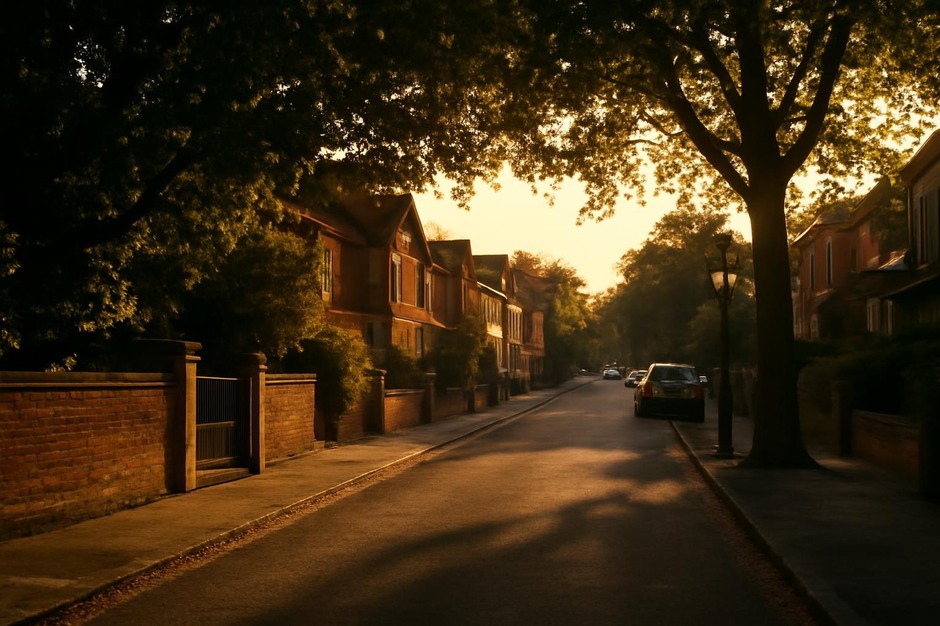
Colour temperature describes whether light reads as warm or cool. In everyday terms, sunrise and sunset provide warm tones; overcast skies and north light offer cooler tones. Rather than worrying about numbers, learn to identify and name these sensations. Warm light tends to bring forward textures and creates a sense of intimacy. Cool light often feels calm and spacious. Both are useful; the key is selecting the colour temperature that supports your subject and mood.
Mixed light and practical choices
Rooms and streets commonly have mixed lighting: warm tungsten bulbs beside cool window light, or late-afternoon sunlight tempered by shade. Mixed light can be interesting, but it can also introduce unwanted color casts. Make a simple choice: either embrace the mix as a compositional element or minimize it by adjusting viewpoint, turning off artificial lights, or moving the subject. In practice, small decisions—moving a subject nearer a window or facing away from a fluorescent fixture—often solve color issues without technical fixes.
White balance as a creative tool
White balance settings are not merely corrections; they are expressive decisions. Pulling a shot slightly warmer can heighten comfort; cooling an image can create distance. If you shoot RAW, you can adjust white balance later, but deciding in-camera helps refine the look as you work. Use the choice to support the atmosphere you want rather than as a neutral technical step.
Examples and exercises
Concrete comparisons build sensitivity. Try these short exercises to develop an intuitive sense for colour temperature and its effects.
- Golden hour vs shade: Photograph the same subject during golden hour and then in deep shade. Note how warm light enhances textures and shadows while shade softens contrast and cools colors.
- Mixed-light portrait: Photograph a still life with one warm lamp and ambient daylight. Make two versions: one that accentuates the warm lamp by moving the subject nearer it, and one that neutralizes the mix by placing the subject closer to the daylight source.
- White balance comparison: Shoot three frames of the same scene with different white balance presets—auto, warm, cool. Compare how each preset changes the mood and which one feels truer to the moment.
Using colour temperature to support stories
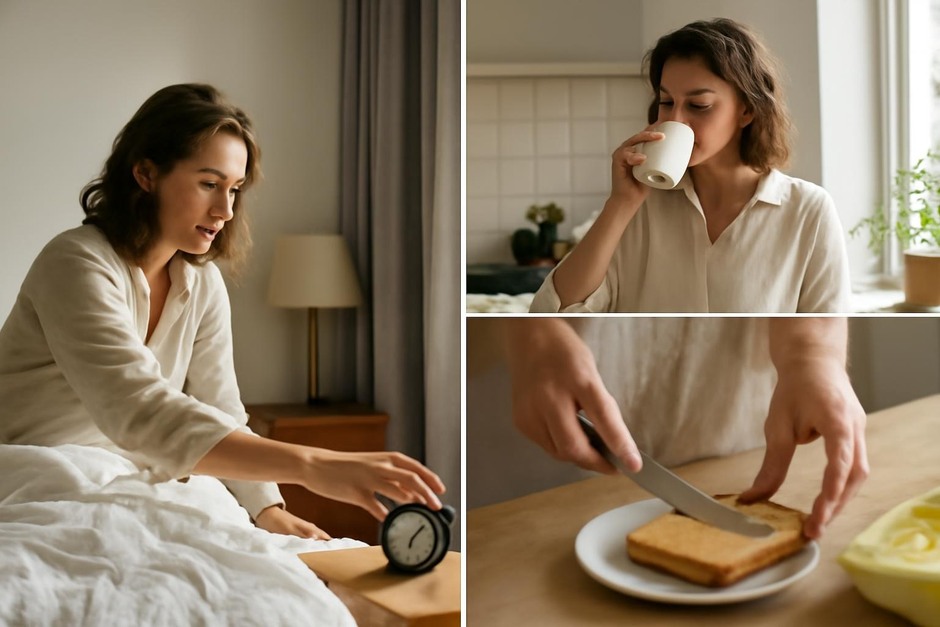
Colour temperature can act like punctuation in visual storytelling. A warm frame might suggest closeness, food, or domesticity. A cool frame can imply early morning, quiet, or restraint. When making short sequences, consider varying temperature to mark transitions: a warm interior shot followed by a cool exterior image can create a sense of leaving shelter and entering public space.
Finally, practise naming what you see in short notes: “warm, low-angle; amber highlights on wood”. These brief observations help you remember what worked and why. Over time you will build a felt sense for colour temperature and the simple, deliberate choices that use it to shape mood and strengthen everyday photographic stories.