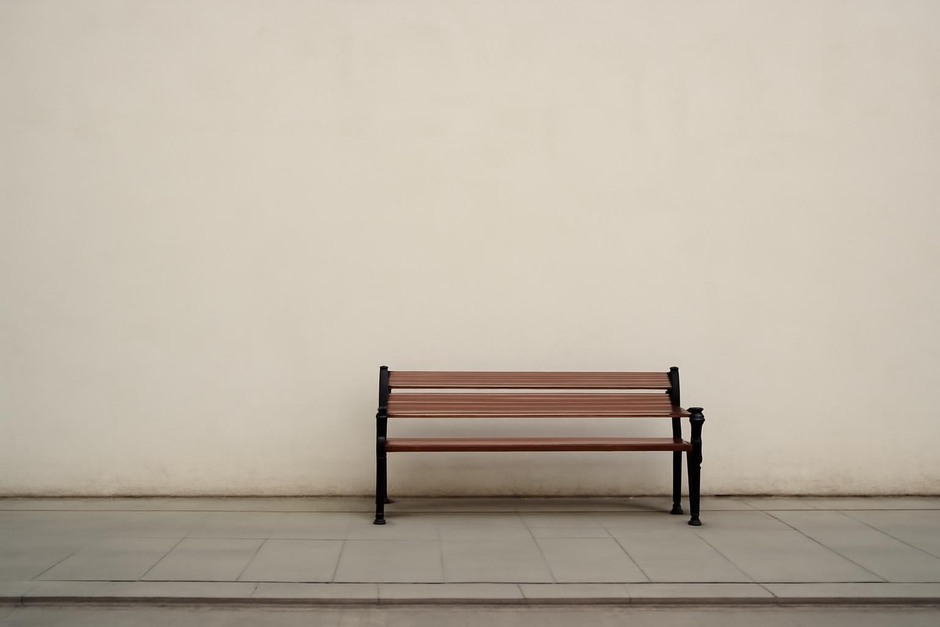
The Quiet Power of Negative Space in Photography
Understanding negative space
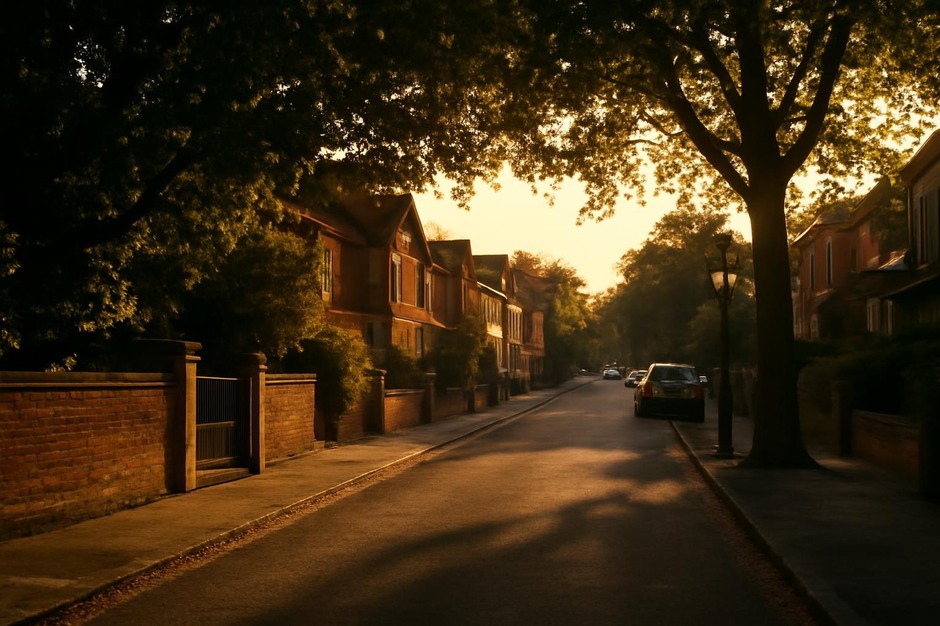
Negative space is the area around and between subjects. It is often described as “empty,” but its emptiness is productive: it gives subjects room to breathe, directs attention, and sets a tone. Rather than being a void, negative space becomes an active element that influences how the viewer reads the image. Minimal scenes that use large areas of calm color or texture tend to feel slower and more contemplative; dense frames with little negative space feel energetic or chaotic.
Shape and silhouette
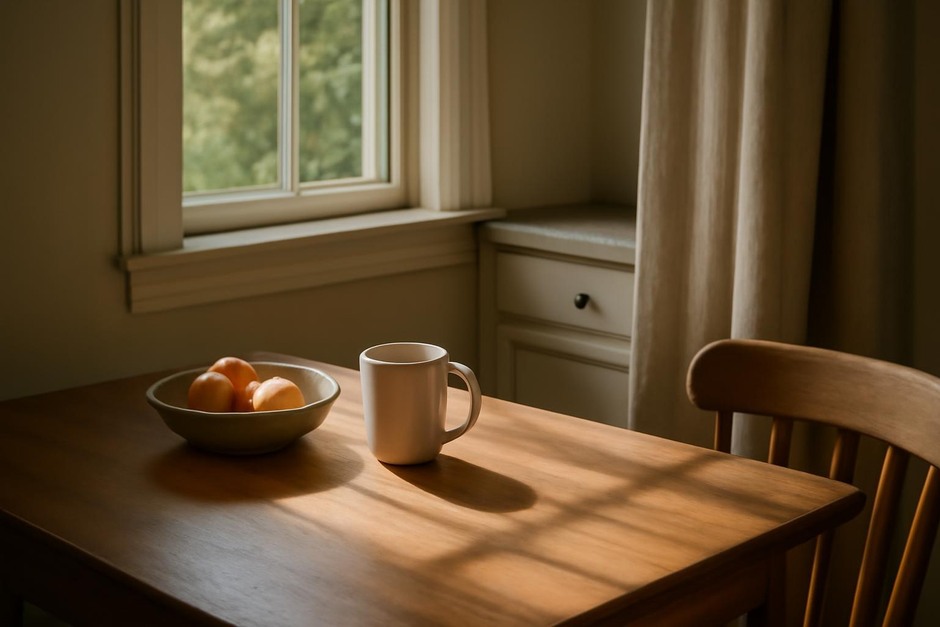
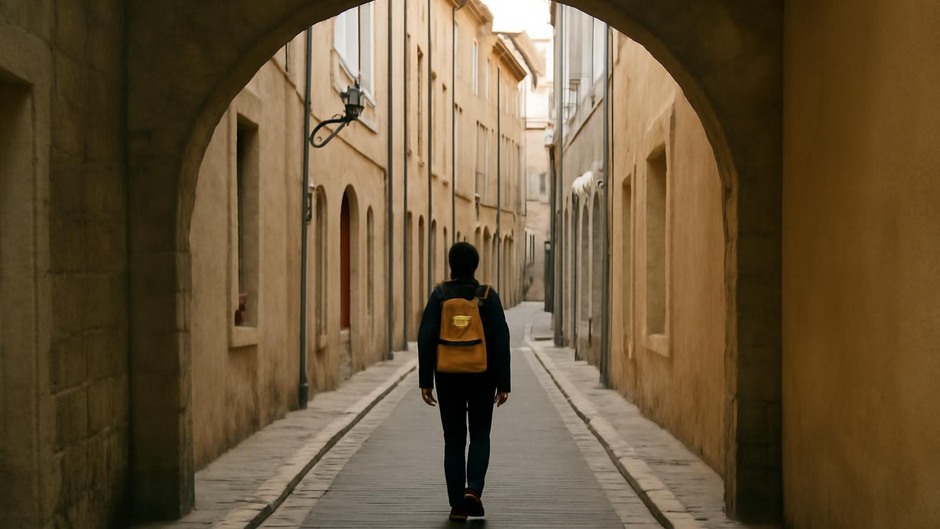
Negative space clarifies shape. A silhouette against a plain sky, a single branch against a light wall, or a coffee cup on a broad tabletop all benefit when the surrounding area is uncluttered. The eye parses form more quickly when it can separate subject from background. Consider moving a step or changing angle so that background elements do not intrude into the subject’s silhouette.
Scale and proportion
Scale matters in negative-space compositions. A small subject in a very large negative field can read as isolated or tender, while the same subject filling more of the frame feels intimate and immediate. Decide what emotion you want to evoke and adjust the proportion accordingly. The relation between subject size and surrounding empty area becomes a simple narrative device.
Color, texture, and quiet contrast
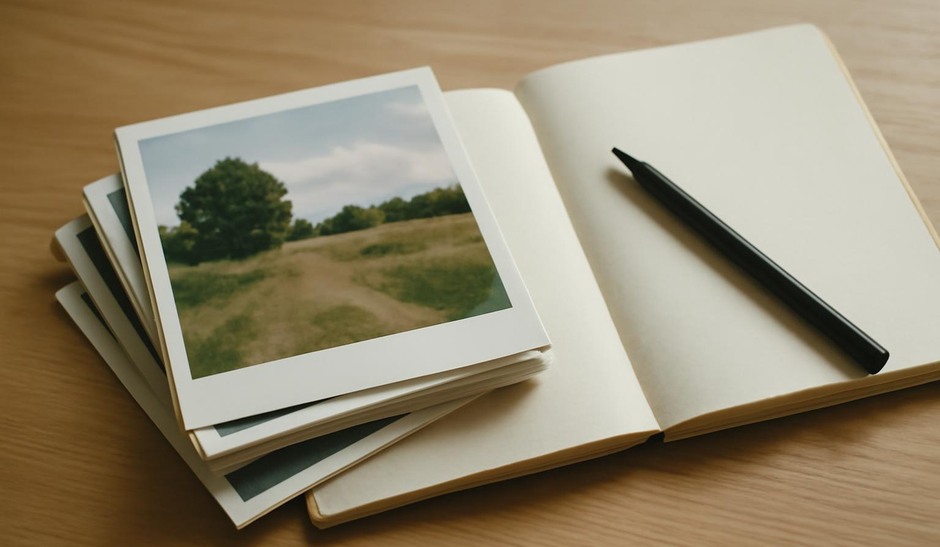
Negative space does not have to be uniformly neutral. A textured wall, a soft sky, or a smooth tabletop can all function as negative areas if they remain visually consistent and do not compete with the subject. Contrast can be subtle—a slight color shift or a faint shadow—and still guide attention. Use color to create distance: cool empty areas push back, warmer tones pull forward.
Practical exercises
Small, repeatable tasks help internalize the use of negative space.
- One-subject, three-scales: Choose a small object and shoot it three times with increasing amounts of surrounding space. Compare how each image feels and what it emphasizes.
- Background swap: Place a single subject against three different backgrounds—textured, plain, and high-contrast—and note which negative space best supports the subject’s shape.
- Silhouette hunt: On a walk, identify three strong silhouettes against clear backgrounds. Frame tightly and then open up to include more negative space. Observe how mood shifts.
Composing with intention
Negative space is a deliberate choice, not a fallback for poor framing. When you decide to use it, do so with intention: align the subject within the empty area using simple rules—center for stillness, off-center for movement, lower in the frame to emphasize sky. Keep in mind that negative space can act as a visual pause, allowing the viewer to rest and then return to the subject with fresh attention.
Finally, think of negative space as relational. It exists only in conversation with the subject. By shaping the space around what you photograph, you control rhythm, tone, and emphasis. That quiet control is a powerful tool for everyday storytelling: modest, patient, and clear.