Framing Streets: Composing Everyday Urban Scenes
Look for natural frames
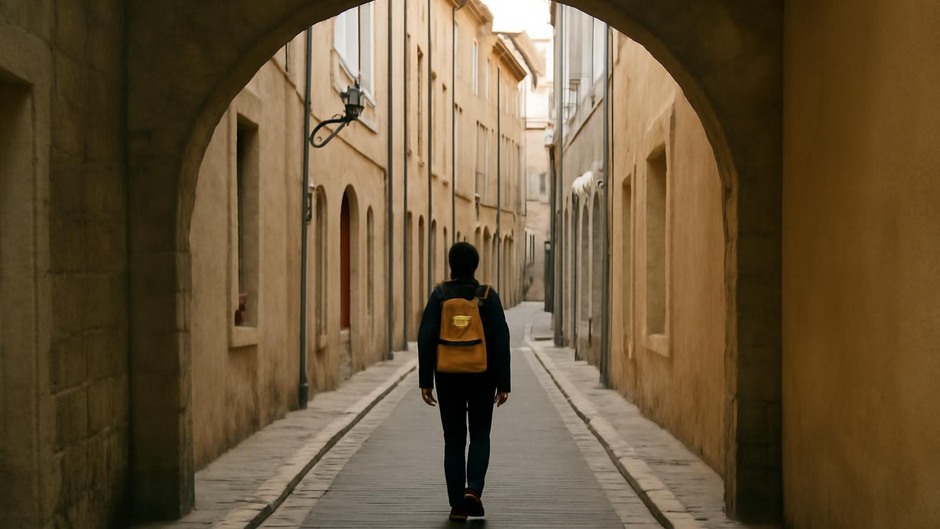
Streets offer abundant structural elements that can frame a subject: doorways, archways, windows, overhangs, trees, and parked vehicles. These elements act as borders that guide the eye and simplify the field. A subject placed in a doorway, for example, immediately reads as an intentional choice rather than a random capture. Natural frames can also add context—an arched shopfront suggests an older street; a neon-framed window hints at evening commerce. Use these edges to reduce visual clutter and to emphasize scale.
Foreground, middle ground, background
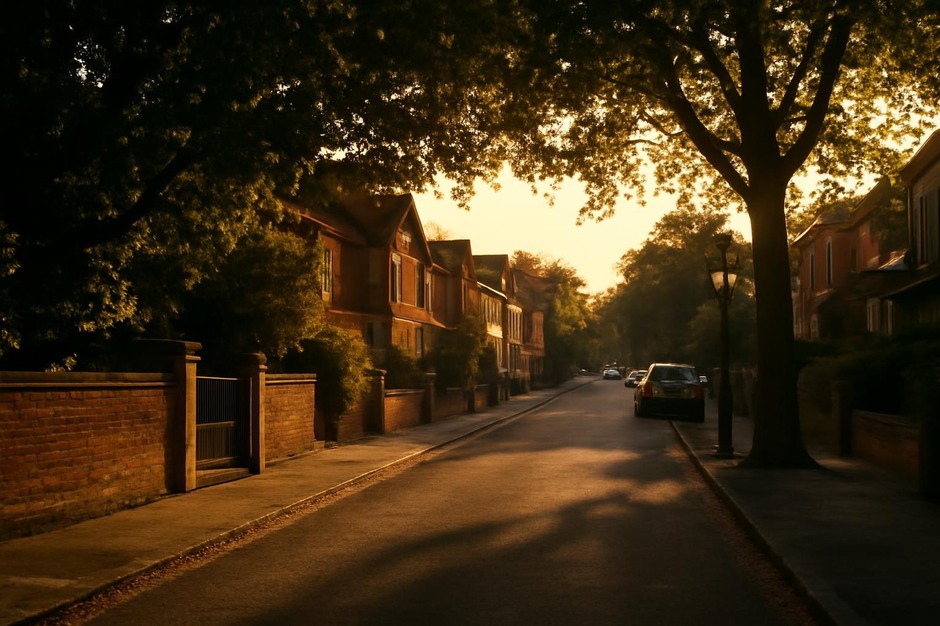
Think in planes. The foreground can be a textured pavement or a puddle reflecting neon; the middle ground often hosts the main action; the background provides setting. Composing with three planes creates depth and allows small moments to sit within a larger context. A vendor at a stall is more interesting if framed by a line of chairs in the foreground and a row of buildings behind, rather than floating in an anonymous expanse.
Control the edges
What you leave out shapes meaning as much as what you include. Edges can cut away distracting details or can trap the viewer in a scene. Paying attention to elements that touch the frame—signs, random limbs, or bright color patches—helps you make cleaner images. Move an inch left or right to remove a stray arm; step closer to simplify a busy background. These small changes often have large effects on clarity.
Use scale and repetition
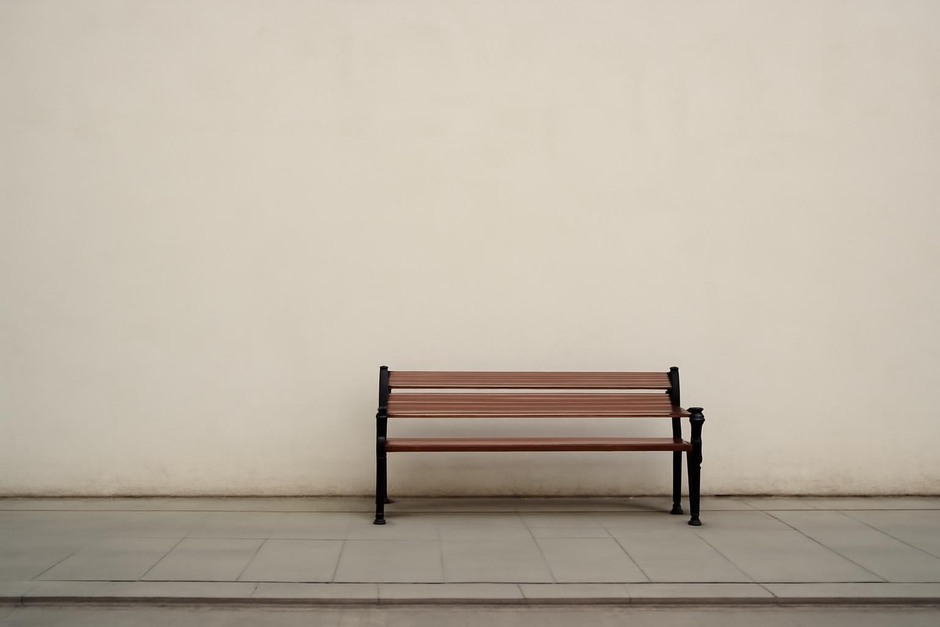
Scale helps tell the viewer how to interpret a scene. A lone figure against a vast wall suggests solitude; the same figure clustered among similar shapes reads as part of a pattern. Repetition—rows of parked bikes, a sequence of windows, repeating shadows—creates rhythm. Capture one strong instance of the pattern and then look for variation: a single bike with a splash of color, a window with a curtain slightly open. Those differences become narrative hooks.
Reflections and layers
Reflections in windows and puddles add layered information and can be used to overlap subjects without physical proximity. A reflection can juxtapose interior and exterior worlds or combine signs and faces into unexpected pairings. When working with reflections, adjust your angle to control which elements merge; small shifts can turn confusion into clarity.
Compositional strategies for everyday shoots
Keep exercises short and repeatable. The goal is not grand reportage; it is to observe and make disciplined choices.
- Three frames, one corner: Stand in one street corner and make exactly three deliberate frames that use different framing tactics: a close crop emphasizing texture, a midshot using a doorway, and a wide shot that includes background rhythm.
- Repeat and vary: Photograph a single storefront throughout the day: empty at morning, cluttered at noon, lit at night. Compare how framing choices change the story.
- Edge audit: Take five photos where an edge cuts through an unintended subject. Recompose each so the edge either becomes intentional or is removed, then compare the difference.
Framing on the street is a practice of restraint and discovery. The city provides plenty to photograph; the craft lies in choosing what to show and what to leave out. By attending to frames, planes, scale, and reflection you can turn ordinary walks into disciplined studies that reveal small but resonant moments of urban life.